


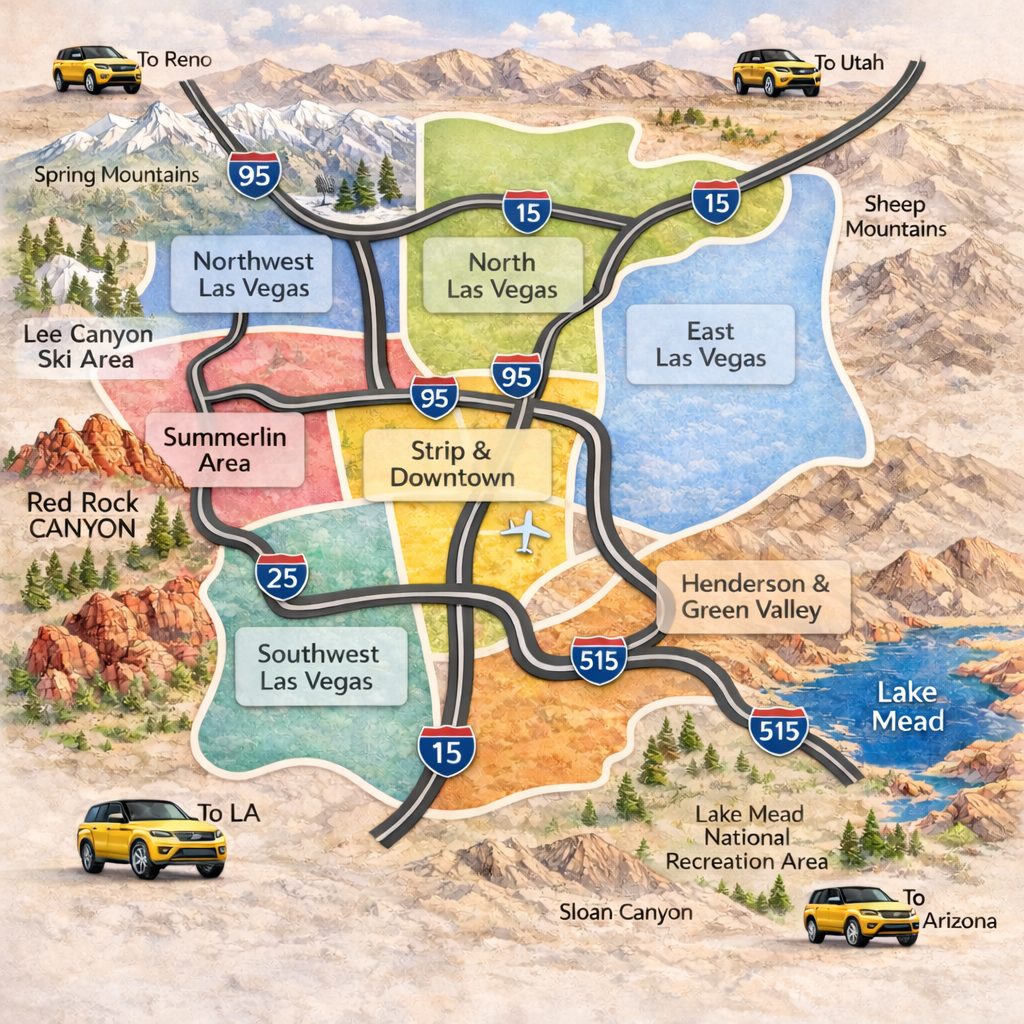
Las Vegas is defined today by its role as a fast-growing metropolitan area with a population of over 2.3 million people in the Las Vegas–Henderson–Paradise metro area. While globally known for tourism and entertainment, Las Vegas has evolved into a diversified urban economy supported by hospitality, conventions, professional sports, logistics, healthcare, construction, and emerging technology sectors. Quality of life is shaped by master-planned communities, relatively affordable housing compared to major coastal cities, extensive suburban development, no state income tax, and access to outdoor recreation. Most residents live well away from the Las Vegas Strip in established neighborhoods that emphasize schools, parks, and community amenities rather than tourism.
The most desirable areas for luxury living in the Las Vegas region are primarily found in master-planned communities and upscale suburban enclaves rather than the city’s tourist core. Notable areas include Summerlin on the west side of the valley, known for luxury villages such as The Ridges and proximity to Red Rock Canyon; Henderson, particularly communities like Anthem, MacDonald Highlands, and Green Valley, which offer elevated views, golf communities, and strong local services; and Southern Highlands, a guard-gated community south of the Strip with estate homes and resort-style amenities. These neighborhoods are favored for their privacy, scenic settings, modern housing stock, and access to high-end dining, shopping, and recreational facilities.
The most desirable areas for luxury living in the Las Vegas region are primarily found in master-planned communities and upscale suburban enclaves rather than the city’s tourist core. Notable areas include Summerlin on the west side of the valley, known for luxury villages such as The Ridges and proximity to Red Rock Canyon; Henderson, particularly communities like Anthem, MacDonald Highlands, and Green Valley, which offer elevated views, golf communities, and strong local services; and Southern Highlands, a guard-gated community south of the Strip with estate homes and resort-style amenities. These neighborhoods are favored for their privacy, scenic settings, modern housing stock, and access to high-end dining, shopping, and recreational facilities.

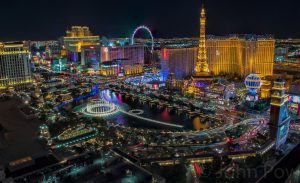

Las Vegas, Nevada is one of the most notable cities in the American West: a global destination for entertainment, conventions, and luxury living, and a vibrant metropolitan community with a growing economy and increasingly diverse population. While it is known internationally for its iconic Las Vegas Strip and world-class resorts, the greater Las Vegas area also offers a wide range of residential communities, cultural amenities, outdoor recreation, and thriving neighborhoods. This overview examines Las Vegas as it exists today: its demographics, economic profile, climate, primary urban and suburban areas, and upscale and interesting neighborhoods that define modern life in the region.
As of the most recent estimates, the Las Vegas–Henderson–Paradise metropolitan statistical area (MSA) boasts a population exceeding 2.3 million residents, making it the largest metropolitan area in Nevada and one of the fastest-growing in the United States. Las Vegas city proper accounts for over 650,000 people, while surrounding jurisdictions including the cities of Henderson and North Las Vegas, along with unincorporated Clark County communities, contribute to the broader population. This growth has been fueled by domestic migration, business relocation, and a relatively lower cost of living compared to many coastal and urban markets.
Demographically, the Las Vegas area reflects increasing diversity. The population includes a wide mix of racial and ethnic groups, with significant Hispanic or Latino representation, along with growing African American, Asian, and multi-racial communities. A large portion of the population is under 45, and the broader area has attracted young professionals, families, retirees, and transplants from other states seeking opportunity, warm weather, and lifestyle amenities.
Las Vegas’s economy has long been anchored by gaming and hospitality. The Las Vegas Strip alone accounts for billions of dollars in economic activity each year, with millions of visitors traveling to the region annually for conventions, entertainment, and leisure. Major resort-casino operators like MGM Resorts International, Caesars Entertainment, Wynn Resorts, and Las Vegas Sands continue to invest in high-end properties and amenities.
The city’s tourism economy also extends to world-class dining, nightlife, shows, professional sporting events, and shopping experiences. The Las Vegas Convention Center regularly hosts large trade shows, attracting business travelers from across the U.S. and internationally, further diversifying tourism dollars beyond leisure travel.
Las Vegas has made intentional efforts to expand its economic base beyond gaming. The expansion of the Las Vegas Convention Center and Allegiant Stadium (home of the NFL’s Las Vegas Raiders) and T-Mobile Arena (home of the NHL’s Vegas Golden Knights) have reinforced Las Vegas as a destination for sporting events, large conventions, and corporate gatherings.
These developments have helped anchor Las Vegas as a year-round economic destination. Professional sports franchises also contribute to local pride and community identity.
In recent years, Las Vegas has attracted logistics and distribution businesses due to its strategic location within a one-day drive of major Western U.S. markets. Warehousing, supply chain, and distribution services have expanded, leveraging highway connectivity and regional transportation infrastructure.
Healthcare is another growing sector, with major medical centers, specialty hospitals, and expanding healthcare networks serving the region’s residents. Additionally, Las Vegas has generated increased interest from technology, esports, and digital entertainment firms, supporting a broader economic diversification strategy.
Las Vegas is located in the Mojave Desert and features a hot desert climate (BWh) under the Köppen climate classification. The region experiences long, hot summers with temperatures frequently reaching well above 100°F (38°C), and mild winters with daytime temperatures often in the 50s and 60s Fahrenheit. Precipitation is scarce, averaging less than 5 inches (127 mm) per year, with the majority falling in the winter months or as localized summer thunderstorms.
The natural environment around Las Vegas includes desert landscapes and proximity to significant outdoor recreation areas such as Red Rock Canyon National Conservation Area, Lake Mead National Recreation Area, and the Sloan Canyon National Conservation Area. These areas provide residents and visitors with opportunities for hiking, climbing, boating, and scenic drives.
Modern Las Vegas extends well beyond the famous Strip corridor. The metropolitan area includes a blend of downtown urban environments, suburban master-planned communities, and emerging neighborhoods with diverse housing and lifestyle options.
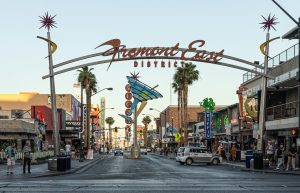
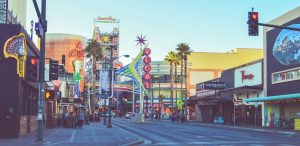
Downtown Las Vegas is the historic core of the city and home to Fremont Street Experience, a pedestrianized entertainment district known for its retro neon signs and canopy light shows. In recent years, downtown has experienced revitalization with new restaurants, arts venues, coworking spaces, and residential conversions, making it an attractive option for urban living.
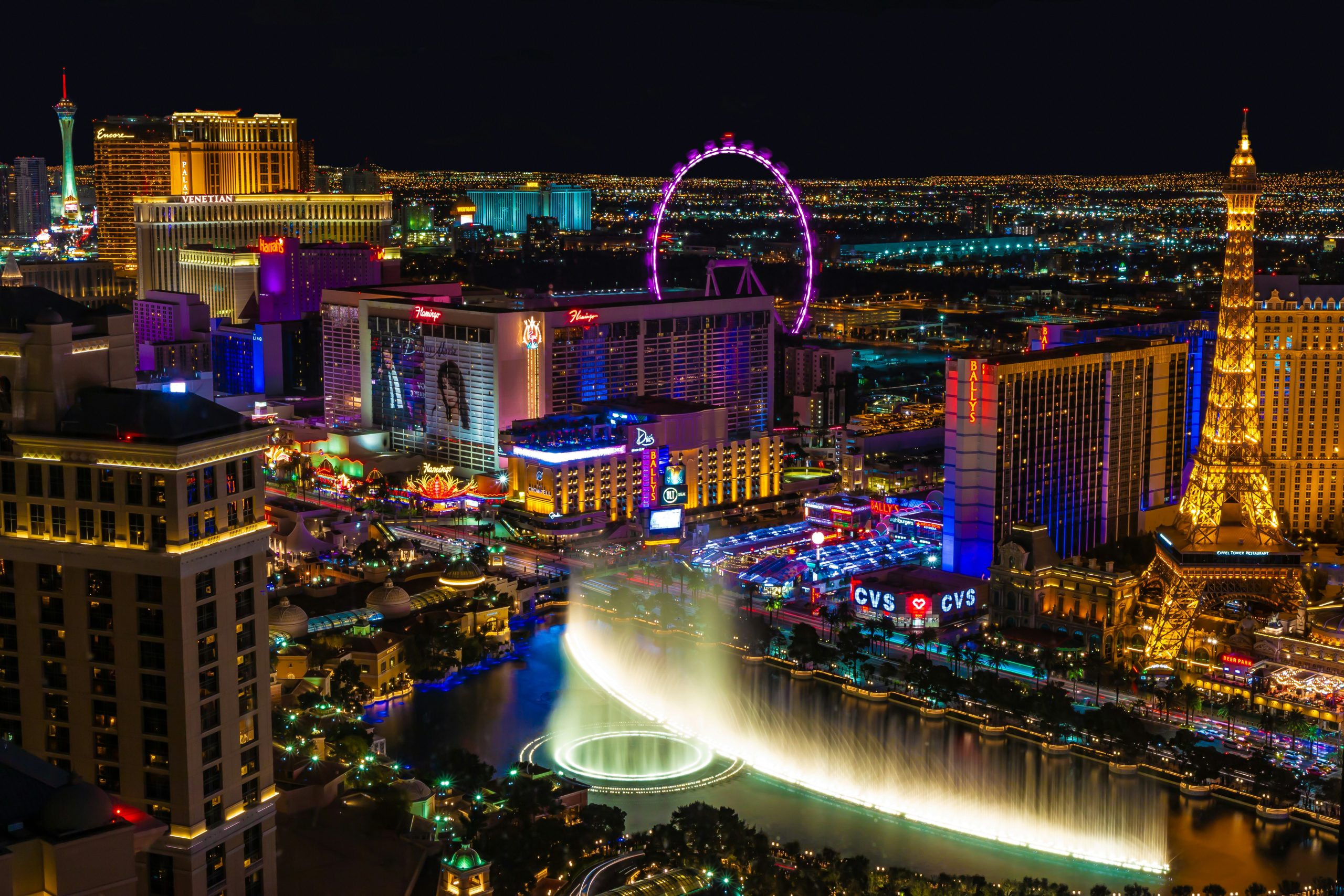
The Las Vegas Strip, technically located in the unincorporated community of Paradise and Winchester, is the most recognizable stretch of Boulevard featuring mega-resorts, casinos, nightlife, dining, and entertainment. Major properties like Bellagio, The Venetian, ARIA, Wynn, and Resorts World anchor high tourism volumes and host millions of visitors annually.
Located on the western edge of the Las Vegas Valley, Summerlin is one of the city’s most prominent master-planned communities. Developed by The Howard Hughes Corporation, Summerlin includes multiple villages with a mix of housing options ranging from entry-level homes to luxury estates. It is known for its extensive park systems, recreational trails, golf courses, and access to Red Rock Canyon. Summerlin also features a range of shopping, dining, and cultural amenities, including the Downtown Summerlin retail center.
Henderson is the second largest city in Nevada and forms the southeastern portion of the Las Vegas metropolitan area. Known for its family-oriented neighborhoods, quality schools, and strong public services, Henderson features communities such as Anthem, Green Valley, and Silverado Ranch. The city’s parks, trail networks, and local events contribute to a high quality of life.
North Las Vegas is a sprawling jurisdiction with a diverse population and wide range of housing options. Historically more affordable than some other parts of the valley, North Las Vegas has seen growth in residential development, retail centers, and industrial parks. The city continues to attract families and first-time homebuyers.
The Southwest portion of the valley and areas such as Centennial Hills offer newer suburban subdivisions and easy access to highways leading north toward interstate connections. These neighborhoods appeal to commuters and offer a mix of affordable and mid-range housing with community parks and retail amenities.
Las Vegas and its surrounding communities include multiple neighborhoods that stand out for their lifestyle, amenities, and character. These areas appeal to residents seeking walkable amenities, scenic surroundings, luxury home options, or unique cultural identity.
Summerlin’s appeal is rooted in its design as a cohesive master-planned community with parks, trails, community centers, and retail. Villages like The Willows, The Ridges, and SouthShore offer luxury housing with proximity to quality schools and outdoor recreation. The Ridges, for example, is known for high-end custom homes and proximity to private golf clubs.
Located in southeastern Henderson, Anthem is known for its elevated foothill location and planned community structure. It includes subdivisions such as Anthem Country Club, Sun City Anthem (55+ community), Solera at Anthem, and Madeira Canyon. Many homes in Anthem offer panoramic views of the valley and nearby mountains.
Southern Highlands is another upscale master-planned neighborhood located south of the Strip. This community includes golf course living, large estate homes, and luxurious amenities. Southern Highlands is known for its community parks, trails, and central location relative to both the Strip and Henderson.
MacDonald Ranch is an established residential enclave between Henderson and the Strip featuring mid-to-large homes, mature landscaping, and convenient access to local shopping and services. The area attracts families and buyers seeking stability and suburban amenities.
Las Vegas also includes historic areas such as Fitzgeralds, Water Street District, and Downtown Arts District. These neighborhoods host galleries, independent shops, craft breweries, and community events, offering cultural depth beyond the resort experience.
While gaming and entertainment remain central to Las Vegas’s identity, the city’s lifestyle offerings extend far beyond the Strip.
Las Vegas hosts a wide range of live performances, from residency shows featuring world-renowned artists to orchestral concerts, comedy acts, and theater productions. Venues such as The Smith Center for the Performing Arts anchor the cultural landscape for more traditional art forms.
Annual events like music festivals, food and wine expos, and sporting events attract broad audiences and contribute to the city’s cultural calendar.
Proximity to natural landscapes offers ample recreation opportunities. Red Rock Canyon National Conservation Area is a premier local destination for hikers, climbers, and scenic drivers, while Lake Mead provides boating, fishing, and water sports. Nearby trails, parks, and conservation areas extend options for outdoor activity.
Las Vegas’s culinary scene has evolved into an internationally respected destination, drawing top chefs and award-winning restaurants in an increasingly diverse dining environment. Shopping options range from luxury retail centers on the Strip to boutique experiences in Summerlin and Henderson.
Las Vegas is served by the Clark County School District (CCSD), one of the largest in the nation. CCSD includes numerous elementary, middle, and high schools throughout the valley, with specialized magnet programs and options for advanced academic pathways. Private and charter schools add choice for families.
Institutions such as the University of Nevada, Las Vegas (UNLV), College of Southern Nevada (CSN), and other specialized colleges contribute to the region’s educational infrastructure. UNLV is a key research university with growing STEM, business, and hospitality programs.
The Las Vegas region features a range of medical centers, specialty hospitals, and healthcare providers that serve both residents and the broader Southern Nevada population. Major facilities include Sunrise Hospital, Summerlin Hospital, Henderson Hospital, and several specialty care centers.
Las Vegas is well served by major transportation infrastructure. Harry Reid International Airport provides extensive domestic and global flight connections, supporting tourism and business travel. Interstate highways including I-15 and Interstate 215 facilitate regional connectivity, while local transit and road networks support daily commuting and access to surrounding areas.
Las Vegas continues to evolve as a dynamic urban region with economic diversification, ongoing residential growth, and expanded lifestyle offerings. Population trends suggest continued in-migration, driven by job opportunities, quality of life, and regional amenities. Investments in technology, healthcare, and alternative industries complement the city’s established strengths in hospitality, entertainment, and events.
Like the desert landscape that shaped it, Las Vegas remains adaptable, resilient, and forward-looking — a city that continues to redefine itself while retaining the iconic spirit that made it a household name.


© 2026 MoxiWorks
©ERA 2025. All rights reserved. ERA® and the ERA Logo are registered service marks owned by ERA Franchise Systems LLC. ERA Franchise Systems LLC fully supports the principles of the Fair Housing Act and the Equal Opportunity Act. Each franchise is independently owned and operated. Any services or products provided by independently owned and operated franchisees are not provided by, affiliated with, or related to ERA Franchise Systems LLC nor any of its affiliated companies
