



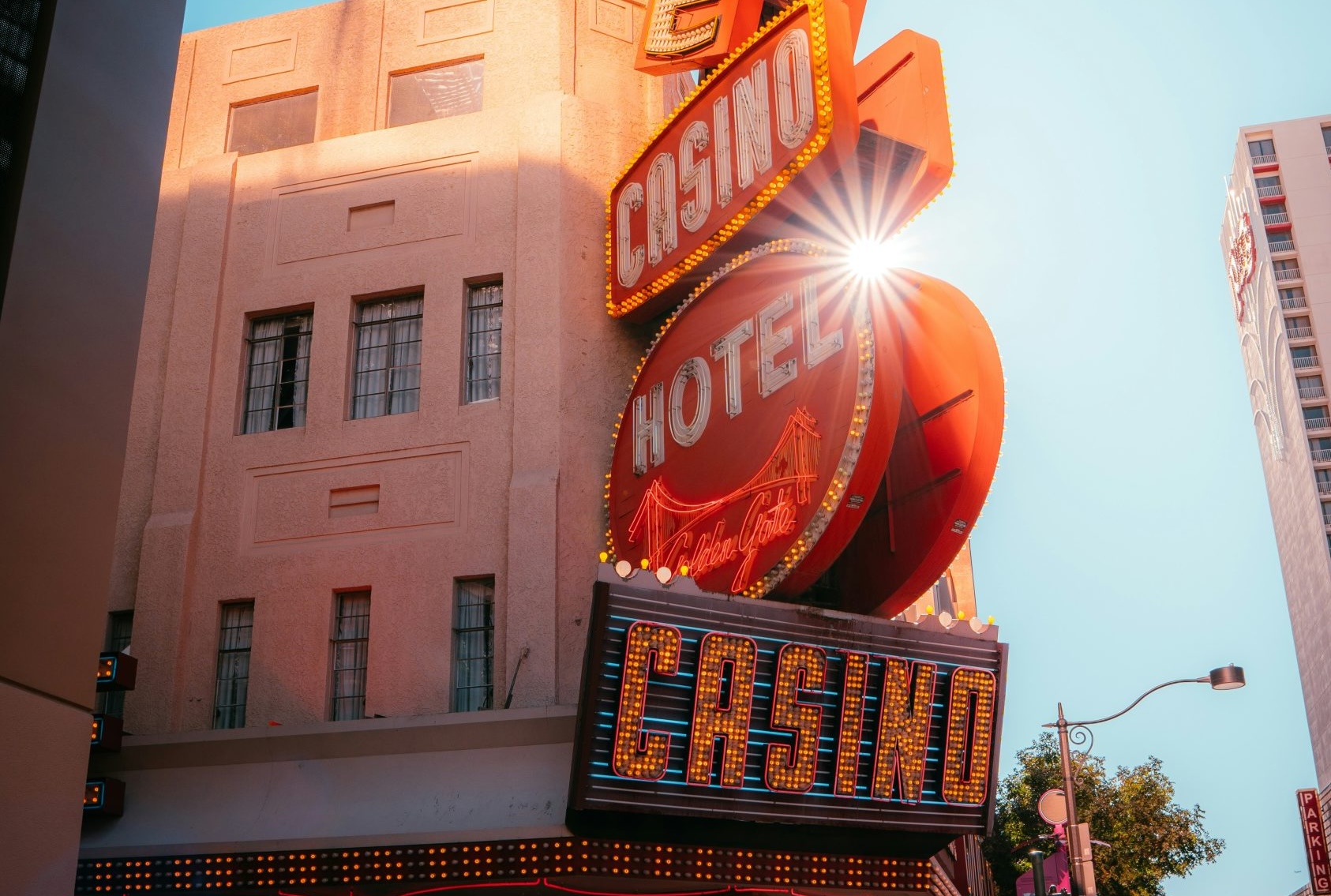
Las Vegas: A Comprehensive Historical to Modern Overview
Las Vegas is one of the most distinctive cities in the United States, known globally for entertainment, hospitality, and innovation in tourism. Yet long before neon lights, mega-resorts, and world-class dining defined its skyline, Las Vegas began as a modest desert oasis whose geographic and economic advantages quietly shaped its destiny. From ancient settlement routes to railroad town, from legalized gambling outpost to global destination city, Las Vegas’s story is one of reinvention, resilience, and strategic growth.
Early Origins: The Desert Oasis
The history of Las Vegas begins thousands of years before modern settlement. Indigenous peoples, including the Southern Paiute, inhabited the Las Vegas Valley for centuries, drawn by natural artesian springs that emerged from underground aquifers. These water sources created grassy meadows in an otherwise arid landscape, making the area a vital stop along regional trade and travel routes.
In 1829, Mexican explorer Rafael Rivera, scouting a path from the Old Spanish Trail to California, encountered these meadows and named the area “Las Vegas,” meaning “The Meadows” in Spanish. At the time, Las Vegas was part of Mexico, later becoming U.S. territory following the Mexican-American War and the Treaty of Guadalupe Hidalgo in 1848.
Throughout the mid-1800s, Las Vegas remained a remote waypoint for traders, missionaries, and settlers traveling between the Southwest and California. Mormon missionaries established a short-lived fort in 1855, recognizing the area’s agricultural potential, though isolation and harsh conditions ultimately led to its abandonment.
The Railroad Era and Birth of a City
The modern foundation of Las Vegas was laid in 1905 with the arrival of the San Pedro, Los Angeles, and Salt Lake Railroad. The railroad company auctioned land parcels near the tracks, creating the townsite that would become downtown Las Vegas. The railroad brought jobs, commerce, and a steady flow of travelers, transforming Las Vegas from a desert outpost into a functioning town almost overnight.
Las Vegas was officially incorporated as a city in 1911. Early Las Vegas was characterized by saloons, boarding houses, small businesses, and a transient population of railroad workers, miners, and travelers. Gambling and other vices were common but largely unregulated, reflecting the frontier nature of the town.
Hoover Dam and the New Deal Boom
The next major turning point came during the Great Depression with the construction of Hoover Dam (originally Boulder Dam), which began in 1931. The dam project brought thousands of workers to Southern Nevada, fueling population growth, infrastructure development, and economic stability during a time of national hardship.
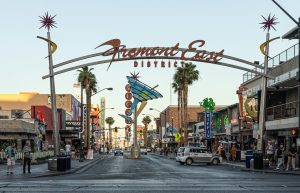
In the same year, Nevada legalized gambling, a decision that would permanently alter the state’s economic trajectory. While initially intended as a temporary measure to stimulate the economy, legalized gaming quickly became a central pillar of Las Vegas’s identity. Casinos, hotels, and entertainment venues proliferated along Fremont Street and later along what would become the Las Vegas Strip.
The Rise of the Las Vegas Strip
In the 1940s and 1950s, development began to shift south of downtown along Highway 91, later renamed Las Vegas Boulevard. Early resorts such as El Rancho Vegas, the Flamingo, and the Desert Inn established a new model of destination resort living, combining lodging, gaming, dining, and entertainment in one location.
This era was marked by rapid growth, bold architecture, and the influence of organized crime, which helped finance many early casinos when traditional bank funding was unavailable. At the same time, Las Vegas became a premier entertainment destination, hosting legendary performers such as Frank Sinatra, Elvis Presley, and the Rat Pack, cementing its reputation as a glamorous escape.
Corporate Transformation and Mega-Resort Era
By the late 1960s and 1970s, Las Vegas entered a period of corporate transformation. Howard Hughes played a pivotal role by purchasing multiple casinos and legitimizing corporate ownership in the gaming industry. This shift paved the way for publicly traded companies and large-scale investment.
The 1990s ushered in the mega-resort era, with the development of iconic properties such as The Mirage, Bellagio, MGM Grand, and Caesars Palace expansions. These resorts redefined Las Vegas as a family-friendly destination for a time, introducing theme-based architecture, large-scale attractions, and luxury amenities.
Simultaneously, master-planned communities began to expand throughout the Las Vegas Valley, including areas such as Summerlin and Green Valley. These developments transformed Las Vegas into a true metropolitan region rather than a single tourism corridor.
Diversification Beyond Gaming
As the 21st century progressed, Las Vegas increasingly diversified its economy. While gaming and tourism remain foundational, the city expanded into conventions, professional sports, technology, logistics, healthcare, and manufacturing.
The Las Vegas Convention Center grew into one of the largest convention facilities in the world, attracting major trade shows and international business travelers. The arrival of professional sports franchises, including the Vegas Golden Knights and Las Vegas Raiders, further elevated the city’s national profile and civic identity.
Healthcare systems expanded rapidly to serve a growing permanent population, while logistics and distribution benefited from Las Vegas’s strategic location within a one-day drive of major Western markets.
Population Growth and Urban Expansion
Las Vegas experienced some of the fastest population growth in the United States from the 1980s through the early 2000s. Master-planned communities, suburban cities such as Henderson and North Las Vegas, and unincorporated areas of Clark County expanded outward in all directions.
Infrastructure investments followed, including major highway expansions, water management systems, and urban planning initiatives. Despite being located in a desert environment, Las Vegas developed sophisticated water conservation strategies, allowing continued growth while reducing per-capita water consumption.
Modern Las Vegas: A Global City in the Desert
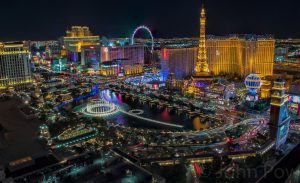
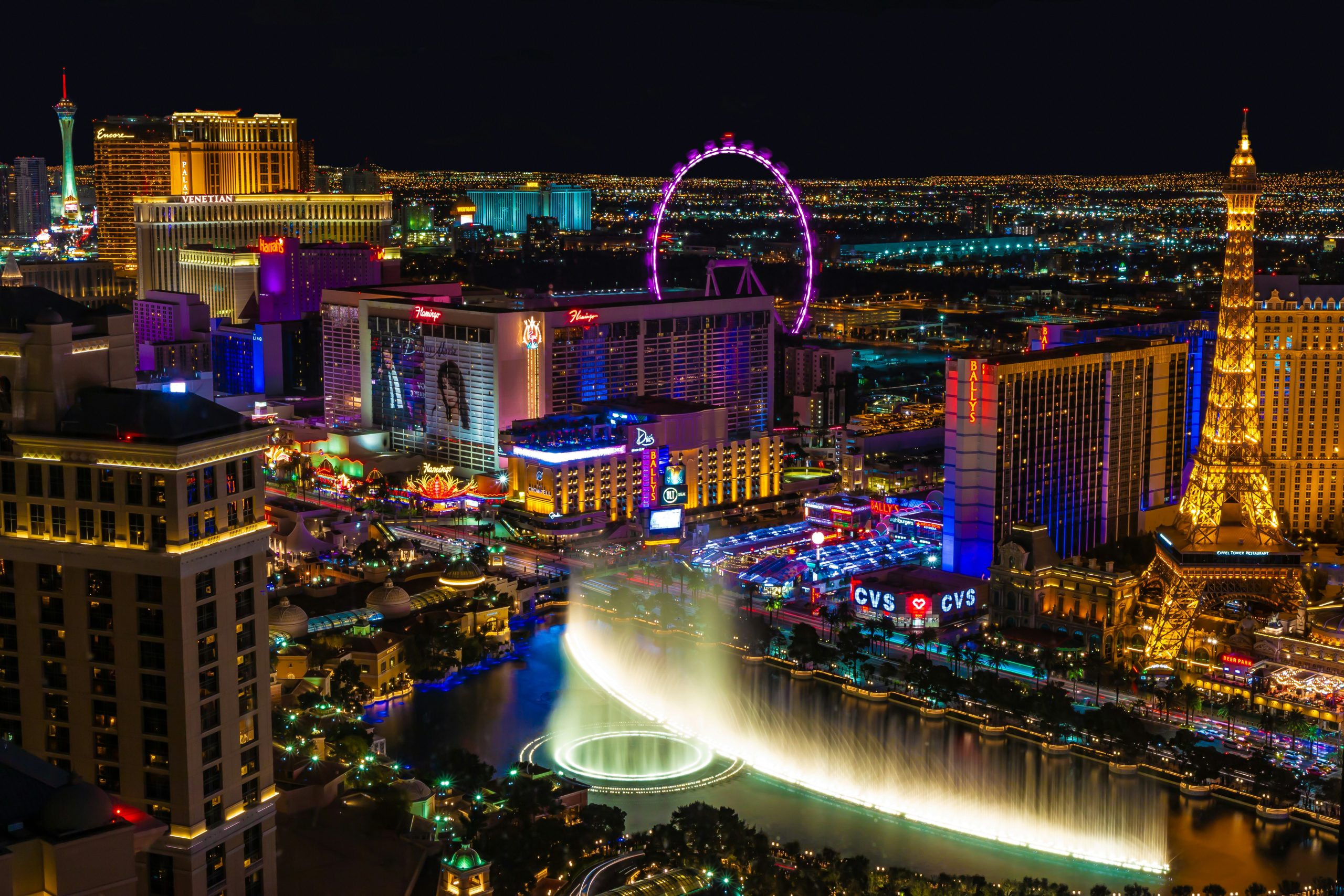
Today, Las Vegas is a global city known not only for entertainment but also for innovation, culinary excellence, live sports, arts, and lifestyle diversity. The Las Vegas Strip remains the city’s most recognizable feature, yet most residents live far from it, in neighborhoods defined by schools, parks, golf courses, and community amenities.
Las Vegas has become a hub for world-class dining, hosting some of the most celebrated chefs and restaurants in the world. It is also an emerging center for esports, immersive entertainment, and large-scale experiential events.
The city continues to evolve, balancing tourism-driven development with long-term residential livability. Investments in downtown revitalization, arts districts, and infrastructure reflect a broader vision for sustainable growth and cultural depth.
Looking Ahead
Las Vegas’s future is shaped by adaptability. From a desert oasis to railroad town, from gaming outpost to international destination, the city has repeatedly reinvented itself in response to economic, cultural, and technological change.
As Southern Nevada continues to grow, Las Vegas stands as a unique example of how geography, policy decisions, and entrepreneurial vision can transform a remote desert valley into one of the most recognizable cities on Earth.


